
A Breakdown Of COSHH Assesment Training
COSHH stands for Control of Substances Hazardous to Health. The HSE highlights how COSHH affects a wide range of industries, including agriculture, baking, engineering, catering, and woodworking.
COSHH Assessment Training ensures delegates gain a relevant understanding of COSHH as it relates to the substances they work with or are exposed to. But what does the training actually involve?
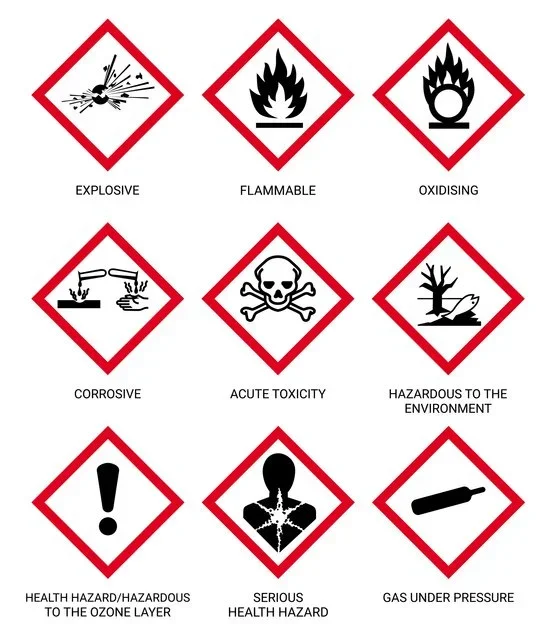
COSHH Assessment Training | Inverness
How Does COSHH Affect You?
Below, we’ve listed out how COSHH may affect your industry. You can click on the relevant industry to see an in-depth description on the HSE website.
Agriculture: eg dusts, chemicals, diseases, toxic gases.
Baking: eg dusts, enzymes, flavour concentrates, cleaning products.
Beauty: eg products that cause skin irritation, allergies and asthma, acrylic fumes.
Catering: eg products that cause dermatitis, skin allergies, asthma, fumes.
Cleaning: eg products that cause dermatitis, allergies and asthma, corrosive products.
Engineering: eg dusts, fumes, chemicals, germs in metalworking fluids.
Hairdressing: eg products that cause dermatitis, allergies, asthma.
Printing: eg products that can cause dermatitis, skin allergies and asthma, corrosive products, solvent vapours, and ingredients that can cause damage to internal organs over a long period of time.
Motor vehicle repair: eg paints, fuels, brake fluid, lubricants, degreasing fluids, cleaning products, welding and cutting fumes, dusts, battery acid.
Welding: eg fumes, dust, chemicals, work in confined spaces, inert gases.
Woodworking: eg dusts, adhesives, paints, stripping fluids, lubricants, disinfectants to treat water systems.
What does a COSHH Assesment Training involve?
COSHH training ensures you gain a relevant understanding of COSHH as it relates to the substances you work with or are exposed to. It’s a half-day, classroom-based course focused on theory. The course covers:
• a brief overview of the law
• definitions of hazard and risk
• explain the duties of the employer and the employee
• to demonstrate the difference between MSDS and a COSHH assessment
• establish the priorities of action when dealing with spills
• to explain the importance of recording evidence after a spill
• explain the correct manner of disposing of waste materials correctly
While you don’t need a specific qualification or prior training to carry out a COSHH assessment, you must be competent. This means having the skills, experience, and knowledge to perform the task properly (Source: HSE). Our training provides the relevant content and guidance to ensure you are competent in COSHH assessment.
According to the HSE, to be competent, you should be able to:
Understand the hazards and risks involved
Know how the work can expose people to substances hazardous to health
Collect all necessary information and make informed decisions about how to control exposure (with the authority to do so)
Want to book our training?
At ACT – Avery Cameron Training, we run COSHH Assesment Training courses at our Dingwall Training Centre (just a 15-minute drive from Inverness).
You can book directly online through our training page.
Have questions?
Get in touch, we’ll be happy to help.
You can email Alasdair at alasdair@actsafe.uk or phone us at 01349793088. If you’re booking for a large group, it’s best to get in touch as we may be able to arrange a private course for you.